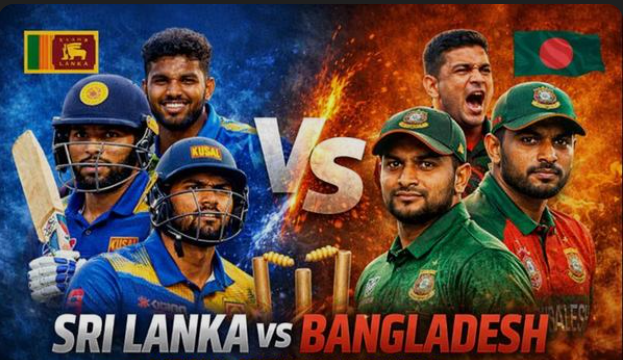
The rivalry between the Bangladesh National Cricket Team and the Sri Lanka National Cricket Team has evolved from a one sided contest into a competitive and emotionally charged cricket story in Asian cricket. In the early years, Sri Lanka dominated across formats with experience, world class spin bowling, and strong batting depth. Bangladesh, still finding its identity, often struggled but gradually built confidence through exposure and learning. Over time, this matchup transformed into a closely watched battle featuring intense ODI finishes, aggressive T20 encounters, and tactical Test match sessions. Fans from both sides now expect unpredictability, making every fixture a significant chapter in their growing cricket rivalry.
Head-to-Head Summary
Format
Total Matches
Sri Lanka Wins
Bangladesh Wins
Draws / No Result
Test Matches
28
21
1
6
ODIs
60
45
13
2
T20Is
22
13
9
0
Total Overall
110
79
23
8
ICC Team Rankings
Format
Sri Lanka Rank
Sri Lanka Rating
Bangladesh Rank
Bangladesh Rating
Test
6th
86
7th
78
ODI
6th
96
9th
84
T20I
9th
9053
8th
10576
Test Match Stats
Metric
Sri Lanka
Bangladesh
Matches Played
28
28
Wins
21
1
Highest Innings Score
713
513
Lowest Innings Score
123
62
Win Percentage
75.00%
3.57%
ODI Stats
Metric
Sri Lanka
Bangladesh
Matches Played
60
60
Wins
45
13
No Result / Ties
2
2
Highest Score
357/9
324/5
Win Percentage
75.00%
21.67%
T20I Stats
Metric
Sri Lanka
Bangladesh
Matches Played
22
22
Wins
13
9
Highest Score
214/6
215/5
Lowest Score
94
139
Win Percentage
59.09%
40.91%
Early Foundations of the Rivalry in Asian Cricket Landscape
The early phase of Bangladesh and Sri Lanka encounters was heavily one sided, with Sri Lanka dominating across formats. Bangladesh, still developing as a Test playing nation, struggled against experienced Sri Lankan batting line ups and world class spin attacks. Matches often ended in comfortable Sri Lankan wins, especially in Tests and ODIs. However, these early clashes were crucial for Bangladesh’s learning curve. Players like Habibul Bashar and Mohammad Ashraful showed glimpses of resistance, even when the team collapsed under pressure. Sri Lanka used these matches to strengthen bench depth and test young players in subcontinent conditions. Over time, these early contests laid the foundation for a rivalry that slowly became more competitive.
Season
Format
Winning Team
Score Impact
Key Performance
2002–2005
Test
Sri Lanka
Dominant wins
Muralitharan spin control
2003–2006
ODI
Sri Lanka
One-sided margins
Jayasuriya aggressive starts
2005–2007
All formats
Sri Lanka
Bangladesh struggling
Top order collapses
Early phase
Mixed
Sri Lanka
High win ratio
Experience gap visible
First Competitive Sparks and Bangladesh’s Breakthrough Moments
This phase marked the beginning of competitiveness in the rivalry. Bangladesh started improving their batting depth and showed better discipline against Sri Lanka’s bowling attack. The first signs of real competition appeared in ODIs, where Bangladesh managed to push matches into the final overs. Players like Shakib Al Hasan and Tamim Iqbal began shaping the team’s identity. Sri Lanka still held the upper hand, but margins of victory reduced significantly. Bangladesh’s spin bowlers also started troubling Sri Lankan middle order batters. These matches were not just about results but about Bangladesh announcing themselves as a rising cricket nation capable of challenging established teams.
Season
Format
Winning Team
Score Impact
Key Performance
2007–2010
ODI
Sri Lanka
Narrowing margins
Tamim Iqbal batting rise
2008–2011
Test
Sri Lanka
Competitive sessions
Shakib all round impact
2009
ODI
Bangladesh
Historic upset
Naeem Islam support batting
Growth phase
Mixed
Sri Lanka/Bangladesh
More balanced
Emerging Bangladesh core
ODI Clashes That Changed Momentum and Team Confidence
ODIs became the most important battleground in this rivalry. Bangladesh started challenging Sri Lanka more consistently, especially in home conditions. High scoring matches, improved chasing ability, and stronger middle order partnerships defined this phase. Sri Lanka still had legendary performers like Kumar Sangakkara and Mahela Jayawardene guiding innings under pressure. However, Bangladesh’s bowling attack led by Shakib Al Hasan and Mashrafe Mortaza created real breakthroughs. Several matches went down to the final overs, showing how far Bangladesh had come. These ODI clashes played a huge role in shifting psychological confidence in the rivalry.
Season
Format
Winning Team
Score Impact
Key Performance
2010–2015
ODI
Mixed
Tight finishes
Sangakkara consistency
2012–2016
ODI
Bangladesh
Home dominance
Shakib all round control
2014 Asia matches
ODI
Sri Lanka
Close contests
Malinga death bowling
Peak ODI phase
ODI
Balanced
High scoring games
Tamim and Dilshan impact
T20 Encounters and the Rise of Aggression
T20 cricket brought explosive energy to this rivalry. Bangladesh adopted aggressive batting strategies, while Sri Lanka relied on experienced finishers and clever bowling variations. Matches were often decided in the final over, with pressure handling becoming the key difference. Players like Thisara Perera and Kusal Perera for Sri Lanka delivered impactful performances, while Bangladesh saw contributions from Mahmudullah and Litton Das in crucial moments. Fielding errors, powerplay dominance, and death over execution often determined results. This format made the rivalry unpredictable and far more entertaining for fans.
Season
Format
Winning Team
Score Impact
Key Performance
2014–2018
T20I
Sri Lanka
Close finishes
Thisara Perera finishing
2016–2020
T20I
Mixed
High pressure games
Litton Das power hitting
2018 Asia T20
T20I
Bangladesh
Historic win
Shakib control innings
Modern phase
T20I
Balanced
Fast scoring
Death over specialists
Test Matches and Long Format Tactical Battles
Test matches between Bangladesh and Sri Lanka highlighted technical skill and patience. Sri Lanka’s superior spin attack and batting stability often gave them control, especially at home. However, Bangladesh showed improvement in surviving long sessions and building partnerships. Shakib Al Hasan and Mushfiqur Rahim played key roles in stabilizing innings under pressure. Sri Lankan spinners continued to dominate many sessions, but Bangladesh’s resilience grew over time. These matches were less frequent but highly strategic, showcasing traditional cricket battles rather than explosive scoring.
Season
Format
Winning Team
Score Impact
Key Performance
2002–2012
Test
Sri Lanka
Dominant wins
Muralitharan spin dominance
2013–2018
Test
Sri Lanka
Competitive draws
Mushfiqur resistance
2018–2022
Test
Mixed
Improved Bangladesh
Shakib all round fight
Long format era
Test
Sri Lanka
Higher win ratio
Home advantage key
Player Rivalries That Defined the Contest
Individual battles shaped the emotional intensity of this rivalry. Sri Lankan bowlers like Lasith Malinga and Rangana Herath repeatedly challenged Bangladesh’s batting line up with precision and experience. On the other side, Shakib Al Hasan became the most influential figure, contributing with both bat and ball across formats. Tamim Iqbal’s aggressive starts often set the tone for Bangladesh, while Sri Lankan batters like Sangakkara provided stability in pressure situations. These player matchups created memorable moments that fans still discuss, especially in close ODI and T20 finishes.
Season
Format
Winning Team
Score Impact
Key Performance
2008–2015
All
Sri Lanka
Star dominance
Malinga bowling spells
2010–2020
All
Bangladesh rise
Balanced stats
Shakib all round excellence
2012–2018
ODI/T20
Mixed
Close contests
Tamim vs Herath battles
Modern era
All
Balanced
Equal impact
Emerging young stars
Conclusion
The Bangladesh vs Sri Lanka cricket rivalry reflects the journey of growth, adaptation, and shifting balance in Asian cricket. What once began as a mismatch has developed into a competitive contest shaped by rising Bangladesh confidence and Sri Lanka’s rebuilding phases. Across formats, both teams have produced memorable performances, match defining innings, and dramatic turning points that have strengthened the rivalry’s identity. While Sri Lanka still holds an overall edge in historical records, Bangladesh’s progress has made the contest far more unpredictable. This rivalry continues to evolve, promising future encounters filled with pressure moments, emerging stars, and closely fought scorecards that keep fans deeply engaged.