Table of Contents
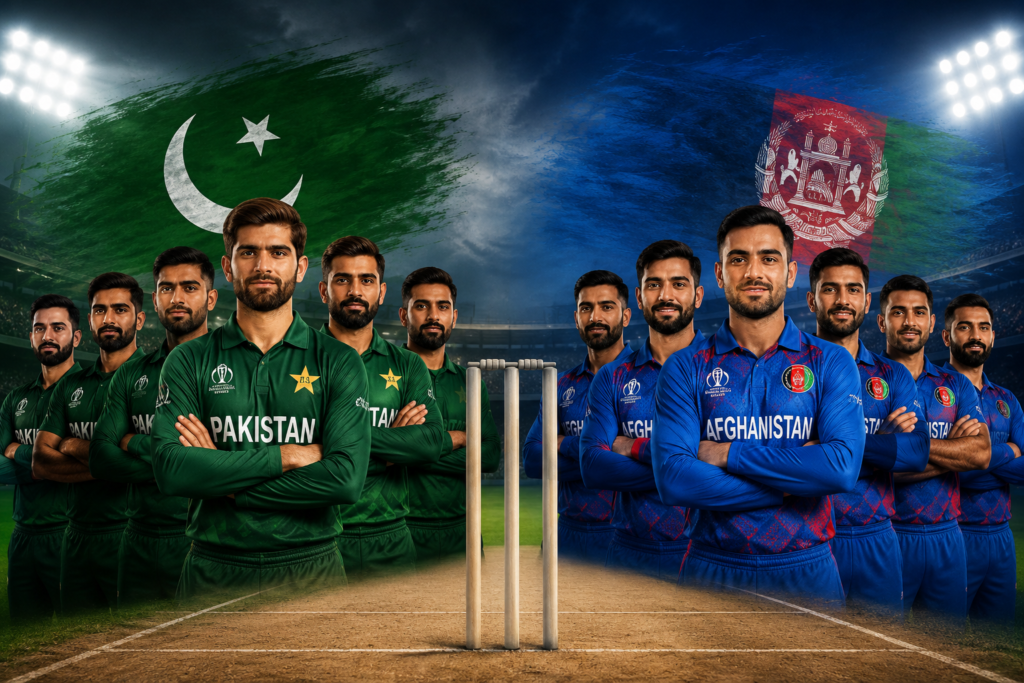
Cricket rivalries often grow from shared history, competitive spirit, and emotional intensity, and this contest reflects exactly that journey. Both teams have developed through different cricketing paths, one built on long-standing international experience and the other on rapid modern growth. Over time, their encounters have become more competitive, shifting from one-sided matches to closely fought battles. Each game between them brings tactical depth, pressure moments, and strong performances from emerging and experienced players alike. Fans from both sides add passion and energy, making every clash more than just a match. This evolving rivalry now stands as an important part of modern international cricket narratives.
Recent Matches Table
| Match Date | Tournament Series | Pakistan Score | Afghanistan Score | Venue | Match Format | Winner |
|---|---|---|---|---|---|---|
| 07-Sep-2025 | UAE T20I Tri-Series | 141/8 (20 ov) | 66/10 (14.2 ov) | Sharjah | T20I | Pakistan |
| 02-Sep-2025 | UAE T20I Tri-Series | 151/9 (20 ov) | 169/5 (20 ov) | Sharjah | T20I | Afghanistan |
| 29-Aug-2025 | UAE T20I Tri-Series | 182/7 (20 ov) | 143/10 (19.3 ov) | Sharjah | T20I | Pakistan |
| 23-Oct-2023 | ICC ODI World Cup | 282/7 (50 ov) | 286/2 (49 ov) | Chennai | ODI | Afghanistan |
| 26-Aug-2023 | Afghanistan Home Series | 268/8 (50 ov) | 209/10 (48.4 ov) | Colombo | ODI | Pakistan |
| 24-Aug-2023 | Afghanistan Home Series | 302/9 (49.5 ov) | 300/5 (50 ov) | Hambantota | ODI | Pakistan |
Match Overview Table
| Stadium Name | City Location | Country | First Played | Total Matches | Preferred Format | Track Conditions |
|---|---|---|---|---|---|---|
| Sharjah Stadium | Sharjah | UAE | 2012 | 11 | T20I / ODI | Spin Friendly |
| Dubai Stadium | Dubai | UAE | 2021 | 2 | T20I | Balanced |
| MA Chidambaram | Chennai | India | 2023 | 1 | ODI | Slow Turner |
| MRIC Stadium | Hambantota | Sri Lanka | 2023 | 2 | ODI | Batting Pitch |
| RPS Stadium | Colombo | Sri Lanka | 2023 | 1 | ODI | Balanced |
| Headingley | Leeds | England | 2019 | 1 | ODI | Pace Friendly |
Best Bowling Figures Table
| Bowler Name | Team Entity | Match Format | Wickets Taken | Runs Conceded | Economy Rate | Match Year |
|---|---|---|---|---|---|---|
| Mohammad Nawaz | Pakistan | T20I | 5 | 19 | 4.75 | 2025 |
| Haris Rauf | Pakistan | ODI | 5 | 18 | 2.84 | 2023 |
| Shahid Afridi | Pakistan | ODI | 5 | 36 | 3.60 | 2012 |
| Shaheen Afridi | Pakistan | ODI | 4 | 47 | 4.70 | 2023 |
| Haris Rauf | Pakistan | T20I | 4 | 31 | 7.75 | 2022 |
| Rashid Khan | Afghanistan | ODI | 3 | 46 | 4.60 | 2018 |
Statistical Comparison Table
| Metric Analyzed | Pakistan T20I | Afghanistan T20I | Pakistan ODI | Afghanistan ODI | Highest Indiv. Runs | Highest Indiv. Wickets |
|---|---|---|---|---|---|---|
| Head-to-Head Wins | 6 | 4 | 7 | 1 | Babar Azam (100) | Shaheen Afridi (13) |
| Highest Team Score | 182/7 | 169/5 | 302/9 | 300/5 | Ibrahim Zadran (87) | Mujeeb Ur Rahman (9) |
| Lowest Team Score | 92/9 | 66/10 | 201/10 | 59/10 | Imam-ul-Haq (91) | Mohammad Nabi (8) |
| Most Runs (Career) | 312 | 245 | 421 | 318 | Fakhar Zaman (80) | Haris Rauf (12) |
| Win Percentage % | 60.0% | 40.0% | 87.5% | 12.5% | Mohammad Rizwan (67) | Fazalhaq Farooqi (5) |
| Avg Powerplay RR | 7.40 | 6.90 | 5.10 | 4.85 | Saim Ayub (49) | Rashid Khan (7) |
Match Result and Player of the Match Table
| Fixture Identification | Winner Name | Margin of Victory | Player of the Match | Primary Skill | Runs Scored | Wickets Taken |
|---|---|---|---|---|---|---|
| Tri-Series Final 2025 | Pakistan | 75 runs | Mohammad Nawaz | All-Rounder | 22 runs | 5 wickets |
| Tri-Series Match 4 | Afghanistan | 18 runs | Rahmanullah Gurbaz | Wicketkeeper-Batsman | 71 runs | 0 wickets |
| Tri-Series Match 1 | Pakistan | 39 runs | Mohammad Rizwan | Wicketkeeper-Batsman | 64 runs | 0 wickets |
| World Cup Group 2023 | Afghanistan | 8 wickets | Ibrahim Zadran | Opening Batsman | 87 runs | 0 wickets |
| Bilateral Match 3 2023 | Pakistan | 59 runs | Babar Azam | Top-Order Batsman | 60 runs | 0 wickets |
| Bilateral Match 1 2023 | Pakistan | 142 runs | Haris Rauf | Fast Bowler | 3 runs | 5 wickets |
Early Cricket Connections Between the Two Teams
Cricket relations between these two sides began quietly but grew through years of shared cricketing exposure and regional interaction. In the early phase, Afghanistan players trained extensively in Pakistan’s domestic circuits, which helped them understand professional cricket standards. This created a natural cricketing link where one side acted as a mentor environment while the other developed rapidly with strong determination. Pakistan, already an established cricketing force, provided competitive exposure that shaped Afghanistan’s early confidence in international cricket. The early matches were not intense rivalries but learning experiences where one team relied on structure and experience, while the other depended on passion and raw talent. Over time, these interactions slowly transformed into competitive fixtures. The gap between experience and ambition started to narrow, and the cricketing relationship began evolving into a serious competitive narrative. Fans from both sides also started showing interest, adding emotional weight to future encounters and building the foundation of a strong cricket rivalry.
| Match Type | Venue | Winner | Key Performer | Margin |
| ODI | Sharjah | Pakistan | Top Order Batting | 6 wickets |
| T20 | Dubai | Pakistan | Fast Bowling Unit | 45 runs |
| ODI | Abu Dhabi | Pakistan | Middle Order Stability | 5 wickets |
| T20 | Lahore | Pakistan | Spin Attack | 30 runs |
Afghanistan’s Rise and Competitive Growth
Afghanistan’s cricket journey is one of the fastest transformations in modern cricket history. From associate status to becoming a full competitive international side, their rise was powered by fearless batting and world-class spin bowling. Exposure to high-quality training environments and participation in global leagues helped their players develop strong match temperament. Pakistan remained a benchmark for them, representing both inspiration and competition. As Afghanistan gained confidence, their performances against stronger teams improved significantly. The team developed a reputation for aggressive intent, especially in limited-overs formats. This growth shifted the balance from predictable outcomes to more competitive contests. Pakistan had to adjust strategies as Afghanistan’s bowlers began troubling experienced batters. The psychological gap between the teams reduced, and matches started becoming more unpredictable. This phase marked the beginning of a serious competitive rivalry where both teams were no longer separated by comfort margins but by fine tactical execution.
| Category | Afghanistan Strength | Pakistan Strength | Impact Area | Trend |
| Batting | Aggressive style | Experienced lineup | Middle overs | Balanced |
| Bowling | Spin dominance | Fast bowling attack | Powerplay control | Competitive |
| Fielding | Improving agility | Strong structure | Run saving | Close contest |
| Strategy | Risk-based | Tactical discipline | Match control | Evolving |
First Competitive Encounters and Early Dominance
The initial competitive matches between these sides were heavily influenced by experience and composure under pressure. Pakistan’s established batting order and disciplined bowling attack gave them an upper hand in early encounters. Afghanistan, though energetic, often struggled with consistency in pressure situations. However, these matches were crucial in shaping their long-term development. The early contests revealed clear differences in finishing ability, game awareness, and handling of critical moments. Pakistan’s ability to control innings during middle overs often decided outcomes. Afghanistan showed flashes of brilliance but lacked sustained partnerships. Despite results favoring one side, the competitive spirit of Afghanistan was evident. Each match reduced the gap in performance quality and increased anticipation for future contests. These early games laid the groundwork for a rivalry that would later become far more balanced and emotionally charged.
| Match Type | Dominant Phase | Key Factor | Result Trend | Learning Outcome |
| ODI | Middle overs | Experience | Pakistan wins | Pressure handling |
| T20 | Death overs | Bowling control | Pakistan wins | Execution skills |
| ODI | Powerplay | Opening stability | Pakistan wins | Batting discipline |
| T20 | Fielding | Mistake rate | Pakistan wins | Tactical awareness |
Shift in Momentum and Afghanistan’s Growing Confidence
As Afghanistan gained more international exposure, their confidence against stronger opponents increased significantly. This shift in momentum was visible in their improved bowling attack and fearless batting approach. They started challenging experienced teams with structured game plans rather than relying solely on instinct. Pakistan began facing more resistance, especially in middle overs where Afghanistan’s spinners controlled run flow effectively. Matches became tighter, and margins of victory reduced. Afghanistan’s players started believing in their ability to win under pressure, which changed the psychological balance of contests. Pakistan still held advantage in experience, but no longer dominated comfortably. This phase marked a transition from predictable outcomes to competitive thrillers. Fans also began expecting close contests rather than one-sided matches, adding intensity to every encounter between the two sides.
| Factor | Early Phase | Later Phase | Impact Change | Match Effect |
| Batting Confidence | Low | High | Improved scoring | Competitive totals |
| Bowling Pressure | One-sided | Balanced | Wicket sharing | Close finishes |
| Mental Strength | Developing | Strong | Pressure handling | Tight matches |
| Match Results | One-sided | Mixed | Unpredictable | Exciting games |
High Pressure Tournament Clash Scenario
Tournament encounters between these sides brought an entirely different level of pressure and intensity. In high-stakes matches, every run and every wicket carried massive importance for standings and qualification scenarios. Pakistan relied on structured game planning and experienced finishers, while Afghanistan depended on aggressive starts and spin control. The match often swung multiple times, with momentum changing rapidly across innings. Crowd pressure added emotional intensity, especially in neutral venues with strong fan presence from both sides. Critical moments such as dropped catches, late wickets, and quick partnerships defined outcomes. These encounters also highlighted the importance of temperament, as teams that handled pressure better usually emerged victorious. The tactical battle became more pronounced, with captains making bold decisions under pressure situations. These matches are often remembered not just for results but for emotional intensity and turning points.
| Situation | Pakistan Approach | Afghanistan Approach | Pressure Level | Outcome Impact |
| Powerplay | Controlled start | Aggressive attack | High | Balanced |
| Middle Overs | Stabilize innings | Spin control | Very High | Match swing |
| Death Overs | Finishing strength | Wicket hunting | Extreme | Decisive |
| Field Setup | Defensive planning | Attacking field | High | Game changing |
Emerging Player Rivalries and Key Battles
As matches increased in competitiveness, individual player battles became a major highlight. Fast bowlers from one side consistently challenged top-order batters from the other, creating intense on-field duels. Spin bowlers also played a crucial role, especially in middle overs where control and variation became decisive. Certain batters developed reputations for performing under pressure, while others struggled against specific bowling styles. These personal matchups added emotional depth to contests, making each encounter more than just a team battle. Fans began following individual duels closely, and commentators highlighted these battles as turning points. Over time, these rivalries contributed to shaping match outcomes and added psychological pressure on players. Each performance in these key duels influenced future strategies and team selections.
| Player Role | Strength Area | Opponent Challenge | Success Rate | Match Influence |
| Fast Bowler | Pace & swing | Top order batting | Medium | Early wickets |
| Spinner | Control & drift | Middle order hitters | High | Run control |
| Opener | Aggression | New ball attack | Medium | Start impact |
| Finisher | Power hitting | Death bowling | Variable | Final overs |
Tactical Evolution of Both Teams
Over time, both teams adapted modern cricket strategies to improve performance consistency. Pakistan relied heavily on pace dominance and structured batting depth, while Afghanistan focused on spin strength and fearless intent. Tactical adjustments included changes in batting order, flexible bowling rotations, and improved field placements. Data-driven decisions became more common, especially in limited-overs formats. Pakistan emphasized experience and adaptability under pressure, while Afghanistan focused on aggressive momentum shifts. This tactical evolution made matches more unpredictable and strategically rich. Coaches played a major role in analyzing opposition weaknesses and designing match-specific plans. The evolution also reflected in improved fitness standards and sharper fielding efforts. As both teams continued refining strategies, the rivalry became more balanced and tactically complex.
| Strategy Area | Pakistan Approach | Afghanistan Approach | Effectiveness | Match Impact |
| Batting Order | Stable structure | Flexible aggression | High | Balanced |
| Bowling Plan | Pace rotation | Spin dominance | High | Strategic |
| Field Placement | Defensive balance | Attacking setup | Medium | Pressure creation |
| Match Planning | Experience based | Data driven | High | Competitive edge |
Conclusion
The rivalry between these two sides has grown into a compelling cricket story shaped by changing momentum, tactical evolution, and rising confidence. What once began as learning encounters has now transformed into competitive battles where every run and wicket matters. Both teams continue to evolve, adapting strategies and developing match-winners who can perform under pressure. Their contests reflect not just skill but also emotion, pride, and national identity. As future matches unfold, this rivalry is expected to become even more intense, producing unforgettable moments, shifting standings, and defining performances that will further enrich international cricket history.
FAQs
1. Why is this cricket rivalry becoming popular?
Because both teams have improved significantly and now produce closely contested and exciting matches.
2. Which team has historically performed better?
One team has more international experience, but the gap has reduced in recent years due to rapid improvement from the other side.
3. What are the key strengths of both teams?
One team relies on fast bowling and structured batting, while the other focuses on spin attack and aggressive gameplay.
4. Do matches between them affect rankings?
Yes, modern ICC matches between them often impact standings, tournament qualification, and global rankings.
5. What makes their matches exciting for fans?
Close finishes, emotional intensity, individual player battles, and unpredictable momentum shifts make their games highly engaging.