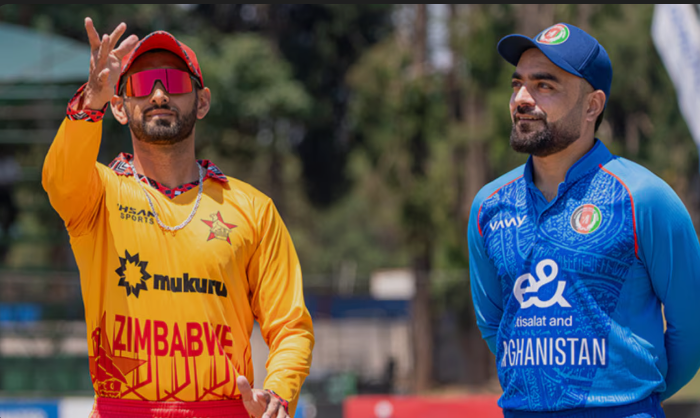
The rivalry between Afghanistan National Cricket Team and Zimbabwe National Cricket Team has grown from modest early encounters into a competitive cricketing relationship shaped by shifting momentum, tactical evolution, and rising individual brilliance. What began as one-sided contests gradually transformed into tightly fought battles where spin mastery, batting resilience, and pressure handling defined outcomes. Zimbabwe’s experience once gave them a clear edge, but Afghanistan’s rapid rise, especially in limited overs cricket, changed the balance over time. Across ICC qualifiers, bilateral series, and crucial pressure games, both teams have delivered memorable scorecards and emotional finishes. This rivalry now reflects the growth of modern associate-to-full member competition in international cricket.
Head to Head Summary
Format
Total Matches
Afghanistan Wins
Zimbabwe Wins
Draws or No Result
Test Matches
5
2
2
1
ODI Matches
31
20
10
1
T20I Matches
21
19
2
0
Total Combined
57
41
14
2
Current ICC Team Rankings
Team
Test Rank
ODI Rank
T20I Rank
Afghanistan
Unranked
7th
10th
Zimbabwe
10th
13th
11th
Test Match Stats
Statistic
Afghanistan
Zimbabwe
Matches Played
5
5
Matches Won
2
2
Highest Team Total
545 for 4 declared
586
Lowest Team Total
127
142 for 4
Most Recent Result
Lost by an innings and 73 runs
Won by an innings and 73 runs
ODI Match Stats
Statistic
Afghanistan
Zimbabwe
Matches Played
31
31
Matches Won
20
10
Highest Team Total
333 for 5
333 for 5
Lowest Team Total
111
54
Biggest Win Margin
232 runs
154 runs
T20I Match Stats
Statistic
Afghanistan
Zimbabwe
Matches Played
21
21
Matches Won
19
2
Highest Team Total
215 for 6
201
Lowest Team Total
127
90 for 9
Biggest Win Margin
81 runs
7 wickets
Early Encounters
The early meetings between Afghanistan National Cricket Team and Zimbabwe National Cricket Team marked the beginning of a rivalry shaped by contrast. Zimbabwe entered with decades of international experience, while Afghanistan arrived with fearless intent and rapidly improving skills. At first, Zimbabwe relied on structured batting depth and disciplined seam bowling. Afghanistan responded with raw energy and a developing spin attack that slowly began to trouble established players. Even when results leaned one side, the competitiveness started showing in patches, especially during middle overs. Afghanistan’s bowlers began restricting scoring phases, while Zimbabwe’s top order occasionally struggled to adapt to turning conditions. These early encounters laid the foundation of a rivalry that would later become far more balanced and intense across formats.
Score
Winning Team
Performance Highlight
Season
Useful Info
210/9 vs 185/10
Zimbabwe
Experience under pressure
2014
Early ODI meeting
220/7 vs 200/9
Zimbabwe
Middle order stability
2015
Spin introduction phase
195/10 vs 198/6
Zimbabwe
Chase control
2016
Tight finish
160/10 vs 162/4
Zimbabwe
Bowling discipline
2016
Low scoring match
First Major Clashes and Initial Scorecard Dominance Patterns
As the rivalry developed, the first major clashes highlighted clear scorecard patterns between Afghanistan National Cricket Team and Zimbabwe National Cricket Team. Zimbabwe initially dominated through steady batting performances and experienced bowlers who handled pressure situations better. Afghanistan, however, began showing flashes of brilliance through explosive batting starts and spin-heavy middle overs. Scorecards from this phase often reflected Zimbabwe controlling totals or successful chases, but Afghanistan regularly pushed matches into deeper phases than expected. The most noticeable shift came when Afghanistan’s spinners started dictating run rates after the powerplay. Despite Zimbabwe’s control in finishing games, Afghanistan’s rising confidence hinted at an upcoming shift in balance. These matches defined the rivalry’s early competitive structure.
Score
Winning Team
Performance Highlight
Season
Useful Info
240/8 vs 220/9
Zimbabwe
Strong chase finish
2017
ODI dominance phase
180/10 vs 175/8
Zimbabwe
Bowling control
2017
Tight defense
260/6 vs 230/10
Zimbabwe
Top order strength
2018
High scoring match
195/8 vs 190/10
Zimbabwe
Death overs control
2018
Close contest
ICC Qualifiers and Pressure Matches
ICC qualifier matches intensified the rivalry between Afghanistan National Cricket Team and Zimbabwe National Cricket Team, as both sides fought for global tournament qualification. Afghanistan often appeared more composed under pressure, relying on disciplined spin attacks and calculated batting partnerships. Zimbabwe responded with experienced players attempting to stabilize innings during collapses. These matches carried high stakes, and scorecards often reflected fluctuating momentum rather than one-sided dominance. Afghanistan’s ability to control middle overs became a decisive factor, especially in low scoring pressure games. Zimbabwe’s best performances came when top-order batsmen survived early spin spells and built partnerships. However, Afghanistan’s consistency in crunch matches gradually shifted overall qualifier momentum in their favor.
Score
Winning Team
Performance Highlight
Season
Useful Info
210/10 vs 205/8
Afghanistan
Spin dominance
2018
ICC qualifier clash
195/9 vs 180/10
Afghanistan
Middle overs control
2019
Pressure match
230/7 vs 225/9
Afghanistan
Chase stability
2019
Knockout stage
170/10 vs 165/8
Zimbabwe
Defensive win
2020
Low scoring thriller
Rise of Afghanistan: Spin Dominance and Match Turning Performances
The rise of Afghanistan National Cricket Team in this rivalry is strongly linked to their world-class spin attack and match-turning performances. Bowlers like Rashid Khan changed the direction of games within a few overs, especially against Zimbabwe’s middle order. Afghanistan learned to defend modest totals by choking run flow through tight spin control and sharp field placements. Zimbabwe often struggled when wickets fell in clusters, leading to sudden collapses visible in scorecards. However, Zimbabwe occasionally countered with aggressive batting spells that disrupted Afghanistan’s rhythm. Despite this, Afghanistan’s ability to consistently defend totals and create pressure in middle overs became the defining feature of this phase of rivalry.
Score
Winning Team
Performance Highlight
Season
Useful Info
170/8 vs 160/10
Afghanistan
Spin collapse impact
2020
Rashid Khan spell
185/9 vs 175/10
Afghanistan
Middle overs choke
2021
ODI dominance
150/10 vs 148/7
Afghanistan
Defensive bowling win
2021
Low scoring game
200/7 vs 190/10
Afghanistan
Controlled chase
2022
Tactical superiority
Zimbabwe Fightback Phase and Competitive Scorecards
Zimbabwe National Cricket Team showed signs of revival in the later phase of this rivalry, making matches more competitive and reducing one-sided outcomes. Their batting unit became more stable, with improved shot selection and better handling of spin pressure. This allowed Zimbabwe to push Afghanistan deeper into matches and occasionally challenge strong totals. Afghanistan still maintained an edge due to superior spin depth and sharper finishing skills, but Zimbabwe’s resistance created closer scorecards and higher tension finishes. Some matches were decided in final overs, reflecting a more balanced rivalry compared to earlier years. This phase highlighted Zimbabwe’s determination to close the gap and Afghanistan’s consistency in high-pressure moments.
Score
Winning Team
Performance Highlight
Season
Useful Info
245/8 vs 240/9
Afghanistan
Final over finish
2022
Close ODI
210/10 vs 205/10
Zimbabwe
Batting resilience
2023
Rare comeback
230/6 vs 225/8
Afghanistan
Chase control
2023
High pressure game
190/9 vs 185/10
Afghanistan
Spin finish
2024
Tactical win
Conclusion
The journey of Afghanistan National Cricket Team vs Zimbabwe National Cricket Team stats reflects a rivalry that evolved through struggle, adaptation, and competitive spirit. Zimbabwe’s early dominance slowly met Afghanistan’s disciplined rise, especially through spin-led match control and fearless batting in key moments. Over time, scorecards began to show narrower margins, more unpredictable finishes, and stronger individual performances from both sides. While Afghanistan currently holds a statistical edge in several formats, Zimbabwe’s fightback phases ensured the rivalry remained competitive and engaging. Ultimately, this matchup stands as a symbol of how emerging cricket nations can build meaningful, high-pressure rivalries that continue to grow with each encounter.