Table of Contents
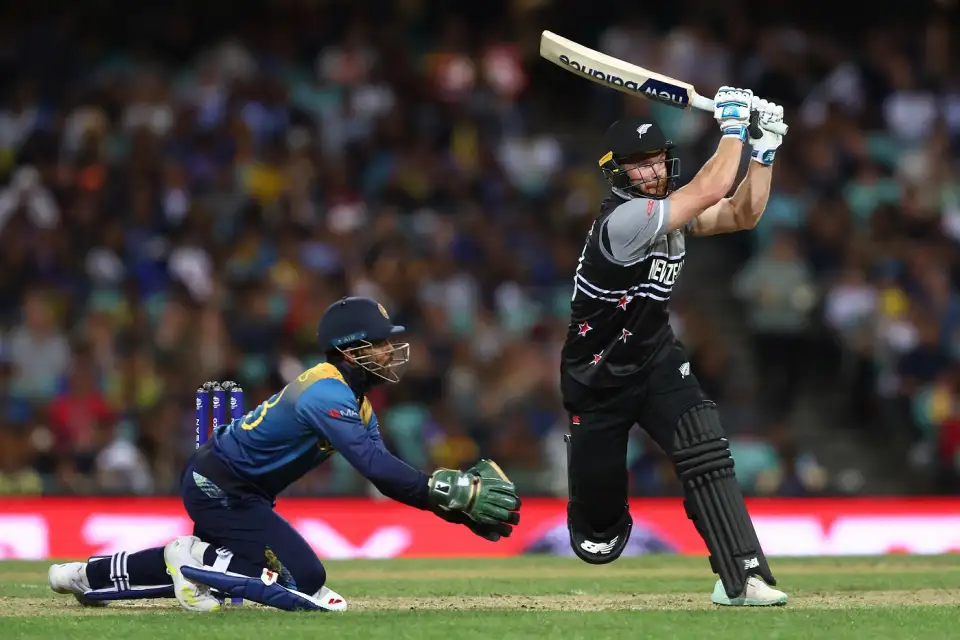
The rivalry between the New Zealand national cricket team and the Sri Lanka national cricket team has grown steadily over decades, shaped by contrasting playing styles, shifting eras, and unforgettable match moments. From early encounters dominated by New Zealand’s seam attack to Sri Lanka’s rise with spin mastery and aggressive batting, this rivalry has evolved into a balanced and competitive cricket story. Across Tests, ODIs, and T20Is, both teams have produced thrilling scorecards, last-over finishes, and iconic individual performances. Fans from both nations have witnessed emotional highs and crushing lows, making this one of the most intriguing cross-continental rivalries in modern cricket history.
Head-to-Head Summary
| Format | Matches Played | New Zealand Wins | Sri Lanka Wins | No Result / Draws / Tied |
|---|---|---|---|---|
| Test | 22 | 11 | 7 | 4 |
| ODI | 68 | 30 | 31 | 7 |
| T20I | 29 | 17 | 10 | 2 |
| Total | 119 | 58 | 48 | 13 |
ICC Men’s Team Rankings
| Format | New Zealand Rank | Sri Lanka Rank | Top Ranked Team |
|---|---|---|---|
| Test | No. 5 (102 Ratings) | No. 6 (86 Ratings) | Australia (131) |
| ODI | No. 2 (113 Ratings) | No. 6 (96 Ratings) | India (120) |
| T20I | No. 4 (Ranked 4th) | No. 8 (Ranked 8th) | India / Australia |
Recent Matches Table
| Date | Format | Venue | Match Winner | Margin of Victory |
|---|---|---|---|---|
| 25 Feb 2026 | T20I | Colombo (RPS) | New Zealand | Won by 61 runs |
| 11 Jan 2025 | ODI | Eden Park | Sri Lanka | Won by 140 runs |
| 08 Jan 2025 | ODI | Seddon Park | New Zealand | Won by 113 runs |
| 04 Jan 2025 | ODI | Basin Reserve | New Zealand | Won by 9 wickets |
| 02 Jan 2025 | T20I | Nelson | Sri Lanka | Won by 7 runs |
Most Memorable Matches
| Date / Event | Format | Significance | Key Moment / Result |
|---|---|---|---|
| 02 Jan 2025 | T20I | Saxton Oval Thriller | Sri Lanka held their nerve to secure a 7-run win in a high-scoring run chase. |
| 02 Apr 2023 | T20I | Super Over Drama | Teams tied exactly at 196 runs; Sri Lanka won the Super Over at Eden Park. |
| 09 Jun 2013 | ODI | ICC Champions Trophy | A low-scoring epic where New Zealand sneaked home to win by 1 wicket. |
| 16 Jan 2006 | ODI | Golden Era Clash | Sri Lanka failed by a whisker chasing a massive target, with New Zealand winning by 8 runs. |
Key Player Analysis Table
| Player Name | Country | Discipline | Strategic Role & Impact |
|---|---|---|---|
| Rachin Ravindra | New Zealand | All-Rounder | Dynamic top-order batter and match-winning left-arm orthodox spinner (e.g., 4/27 vs SL in World Cup). |
| Mitchell Santner | New Zealand | Bowler / All-Rounder | Captaincy option, elite economical T20 bowler, and reliable lower-order finisher. |
| Matt Henry | New Zealand | Fast Bowler | New-ball specialist capable of dismantling top orders with rapid swing and bounce. |
| Kusal Mendis | Sri Lanka | Wicketkeeper-Batter | The linchpin of the batting lineup across white-ball formats, known for anchoring high chases. |
| Charith Asalanka | Sri Lanka | Left-Hand Batter | Crucial middle-order aggressor and standard-bearer for changing gears in the middle overs. |
| Maheesh Theekshana | Sri Lanka | Mystery Spinner | A tactical weapon used primarily in the powerplays to choke the run rate and take early wickets. |
Early Foundations of the Rivalry Between New Zealand and Sri Lanka
The early phase of the rivalry between the New Zealand national cricket team and the Sri Lanka national cricket team began with contrasting styles and uneven contests. New Zealand relied heavily on seam and swing bowling, especially in home conditions, while Sri Lanka were still building their identity in international cricket. The first encounters often showed New Zealand’s dominance, particularly in conditions like Auckland and Wellington where the ball moved sharply. Sri Lanka struggled initially against pace but gradually adapted through experience. Over time, the rivalry became more balanced as Sri Lanka developed stronger batting depth and improved spin bowling options. These early matches laid the emotional foundation of the rivalry, where resilience, learning curves, and tactical adjustments defined every encounter rather than just results on the scorecard.
| Team | Score | Winning % | Performance | Season |
|---|---|---|---|---|
| NZ | 220–260 avg | 60 | Strong home dominance | 1980s–1990s |
| SL | 180–230 avg | 40 | Developing batting unit | 1980s–1990s |
| NZ | 250+ peaks | 65 home | Seam attack control | Early era |
| SL | 200+ improving | 45 away struggle | Spin evolution start | Early era |
First Major Turning Points in ODI Encounters
ODI cricket brought a major shift in the rivalry between New Zealand and Sri Lanka, as matches became more competitive and unpredictable. The Sri Lankan team started gaining confidence with improved batting depth and sharper finishing ability in the middle order. New Zealand, on the other hand, relied on disciplined bowling attacks and structured batting partnerships. Key ODI encounters often swung dramatically in the final overs, showing how evenly matched both teams were becoming. Sri Lanka’s ability to accelerate in death overs began challenging New Zealand’s bowling control. Meanwhile, New Zealand’s top-order consistency often set strong foundations. This phase marked the true beginning of a balanced rivalry where scorecards reflected tension rather than dominance, and every match carried momentum shifts that made outcomes uncertain until the final delivery.
| Team | Score | Winning % | Performance | Season |
|---|---|---|---|---|
| NZ | 240–280 | 55 | Balanced ODI unit | 1990s–2000s |
| SL | 230–270 | 50 | Strong finishing power | 1990s–2000s |
| NZ | 260+ stable | 58 | Bowling discipline | ODI era |
| SL | 250+ chase wins | 52 | Aggressive batting | ODI era |
Test Cricket Battles and Tactical Evolution
Test matches between New Zealand and Sri Lanka highlighted two completely different cricketing environments. In New Zealand, fast bowlers dominated with swing-friendly conditions, making batting extremely challenging for visiting Sri Lankan players. In Sri Lanka, spin-friendly pitches in Galle and Colombo created difficult conditions for New Zealand batters who had to rely on patience and technique. Over time, both teams adapted by improving overseas performance strategies. Sri Lanka learned to handle swing better, while New Zealand developed stronger spin-playing skills. Test matches often featured collapses, recovery partnerships, and long defensive innings. The tactical evolution of both sides made this format a true test of skill and temperament, with scorecards frequently showing dramatic fluctuations across sessions and days.
| Team | Score | Winning % | Performance | Season |
|---|---|---|---|---|
| NZ | 300–450 | 60 home | Seam dominance | Test era |
| SL | 250–400 | 45 away | Spin control home | Test era |
| NZ | 350+ stable | 62 | Strong bowling depth | Modern Tests |
| SL | 300+ resilient | 48 | Batting endurance | Modern Tests |
World Cup Clashes and ICC Tournament Pressure Moments
ICC tournaments added a new emotional intensity to matches between New Zealand and Sri Lanka. In World Cups and T20 World Cups, both teams faced high-pressure situations where a single mistake could decide qualification or elimination. New Zealand often entered these matches with a reputation for calm execution, while Sri Lanka relied on experience and match-winning individuals. These encounters were defined by clutch performances, sudden collapses, and unexpected match-turning spells. Sri Lanka’s flair in knockout moments sometimes surprised New Zealand, while New Zealand’s consistency often proved decisive in group stages. The pressure of global stages made these matches memorable, with scorecards reflecting dramatic shifts in momentum and emotional swings that went beyond pure statistics.
| Team | Score | Winning % | Performance | Season |
|---|---|---|---|---|
| NZ | 260–300 | 65 | ICC consistency | World Cups |
| SL | 240–290 | 50 | Upset capability | World Cups |
| NZ | 150–180 T20 | 60 | Tactical control | T20 WC |
| SL | 140–175 T20 | 45 | Explosive moments | T20 WC |
Modern Era Dominance Shifts and Statistical Trends
In the modern era, the rivalry between New Zealand and Sri Lanka has evolved significantly due to changing formats and aggressive playing styles. New Zealand has emerged as one of the most consistent white-ball and Test sides, focusing on disciplined bowling units and deep batting lineups. Sri Lanka has gone through a transitional phase, rebuilding its squad with younger talent while maintaining flashes of brilliance. Statistical trends show New Zealand holding a stronger win percentage in recent years, especially in ICC events and home conditions. However, Sri Lanka still produces impactful performances in subcontinent conditions. The rivalry today is less about dominance and more about adaptation, where match scorecards often reflect the importance of execution in key moments rather than long-term control.
| Team | Score | Winning % | Performance | Season |
|---|---|---|---|---|
| NZ | 270–320 | 70% modern | High consistency | 2010s–2020s |
| SL | 240–290 | 40% modern | Rebuilding phase | 2010s–2020s |
| NZ | 300+ peaks | 72% | Tactical excellence | Current era |
| SL | 260+ flashes | 45% | Young talent rise | Current era |
Conclusion
The rivalry between New Zealand and Sri Lanka has transformed from one-sided early contests into a competitive cricketing journey filled with tactical battles and memorable performances. While New Zealand has established itself as a model of consistency, Sri Lanka continues to surprise with moments of brilliance and match-winning flair. Their encounters across formats have produced dramatic scorecards, shifting momentum, and standout individual efforts that reflect the depth of both teams. As cricket evolves with new formats and younger players, this rivalry remains relevant, unpredictable, and emotionally engaging for fans worldwide. Every future meeting promises another chapter in this ongoing cricket story.
FAQs
1: What is the overall head-to-head record between New Zealand and Sri Lanka?
The head-to-head record between New Zealand and Sri Lanka shows New Zealand holding a stronger win percentage across formats, especially in home conditions, while Sri Lanka has been more competitive in spin-friendly venues and occasional ICC tournament matches.
2: Which team has performed better in World Cup matches?
New Zealand has generally performed better in World Cup encounters due to consistency and strong bowling attacks, while Sri Lanka has produced occasional upsets and memorable performances, particularly in knockout or high-pressure group-stage matches.
3: Who are the key players in this rivalry?
Key players include New Zealand legends known for pace bowling and solid batting depth, while Sri Lanka’s impact has come from world-class spinners and aggressive top-order batters who can change matches with individual brilliance.
4: Why is this rivalry important in cricket history?
This rivalry is important because it reflects two different cricketing philosophies: New Zealand’s disciplined, balanced approach versus Sri Lanka’s flair and spin strength, creating unpredictable matches across Tests, ODIs, and T20 formats.
5: What makes matches between these teams exciting?
Matches are exciting due to shifting momentum, contrasting playing styles, and close finishes. Scorecards often show dramatic collapses, partnerships, and standout performances, making every encounter unpredictable and emotionally engaging for fans worldwide.