Table of Contents
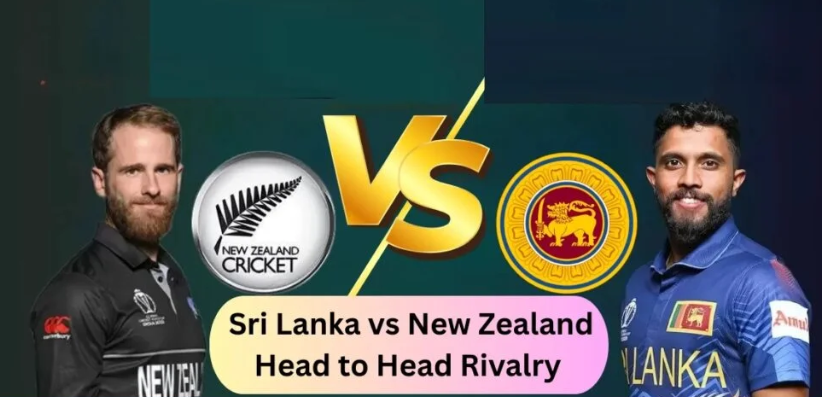
Cricket history is filled with rivalries that evolved quietly before becoming significant contests. The sri lanka national cricket team vs new zealand national cricket team timeline is one such story. Unlike cricket’s headline rivalries, this matchup developed through decades of changing fortunes, dramatic World Cup encounters, iconic individual performances, and memorable series across continents. From Sri Lanka’s early days as a Test nation to New Zealand’s rise as a global powerhouse, their cricketing journey reflects the evolution of modern international cricket itself.
The rivalry may not always dominate global headlines, but it has consistently produced fascinating contests that shaped careers, influenced tournament outcomes, and contributed significantly to cricket history.
How the Rivalry Began: Early Encounters Before Sri Lanka’s Rise
Before Sri Lanka earned Test status in 1981, New Zealand was already an established member of international cricket. The first interactions between the sides came in limited-overs cricket during an era when Sri Lanka was striving for recognition on the world stage.
The 1970s and early 1980s represented a significant contrast between the teams. New Zealand possessed experienced international cricketers and a structured domestic system, while Sri Lanka was still building the foundations of a future cricketing nation.
Early Rivalry Snapshot
| Period | Key Development | Significance |
| 1970s | Initial international meetings | Sri Lanka gained exposure |
| 1981 | Sri Lanka awarded Test status | Rivalry entered new era |
| Early 1980s | First Test contests | Competitive balance began forming |
| Mid-1980s | Regular bilateral series | Relationship strengthened |
These early encounters were important because they provided Sri Lankan cricketers with opportunities against established international opposition. For New Zealand, the matches offered valuable experience against an emerging Asian side with unique playing conditions and spin-oriented strategies.
The foundations laid during this period would later transform into one of the most intriguing intercontinental rivalries in cricket.
The First Test Era: Building Respect Through Competition
Once Sri Lanka entered the Test arena, meetings with New Zealand became increasingly meaningful. Unlike contests against traditional giants such as Australia or England, matches between these teams often felt evenly balanced.
Both nations shared certain similarities. Neither possessed the enormous resources of larger cricket boards, yet both consistently produced highly skilled cricketers capable of competing against anyone.
Early Test Milestones
| Year | Event | Impact |
| 1983 | Early Test meetings | Established long-format rivalry |
| 1984–1987 | Regular bilateral contests | Competitive growth |
| Late 1980s | More balanced results | Increased mutual respect |
The significance of these early Test matches extended beyond results. Sri Lanka learned how to compete in difficult overseas conditions, particularly on New Zealand’s pace-friendly surfaces. Meanwhile, New Zealand discovered the challenges of playing spin in the subcontinent.
This exchange of cricketing styles became a defining feature of the rivalry.
Sri Lanka’s Golden Generation Changed the Balance
The 1990s transformed Sri Lankan cricket forever. The emergence of players such as Arjuna Ranatunga, Aravinda de Silva, Sanath Jayasuriya, Muttiah Muralitharan, Chaminda Vaas, and later Mahela Jayawardene and Kumar Sangakkara dramatically altered the competitive landscape.
Against New Zealand, Sri Lanka became far more formidable.
Key Players Who Influenced the Rivalry
| Sri Lanka | New Zealand |
| Arjuna Ranatunga | Martin Crowe |
| Aravinda de Silva | Stephen Fleming |
| Sanath Jayasuriya | Nathan Astle |
| Muttiah Muralitharan | Chris Cairns |
| Kumar Sangakkara | Daniel Vettori |
| Mahela Jayawardene | Brendon McCullum |
What made this period fascinating was the contrast in styles. Sri Lanka relied heavily on aggressive batting and world-class spin. New Zealand countered with disciplined seam bowling, strong fielding, and tactical adaptability.
The rivalry became less predictable and considerably more entertaining.
World Cup Encounters That Defined Generations
Few aspects of the sri lanka national cricket team vs new zealand national cricket team timeline carry greater importance than their World Cup meetings.
Global tournaments elevated the rivalry because every result carried immense consequences.
Major World Cup Meetings
| Tournament | Winner | Importance |
| 1992 World Cup | New Zealand | NZ’s breakthrough campaign |
| 2003 World Cup | Sri Lanka | Strong Sri Lankan run |
| 2007 World Cup | Sri Lanka | Route to final |
| 2011 World Cup | Sri Lanka | Consistency on big stage |
| 2015 World Cup | New Zealand | Quarter-final victory |
| 2019 World Cup | New Zealand | Group-stage success |
The 2015 World Cup quarter-final remains one of the rivalry’s most significant matches. New Zealand, led by Brendon McCullum, overwhelmed Sri Lanka and reinforced their status as genuine title contenders.
Similarly, Sri Lanka’s victories in earlier World Cups highlighted their ability to perform under pressure against quality opposition.
World Cups often serve as historical markers, and these matches helped define entire eras for both teams.
The Muralitharan Factor and New Zealand’s Struggle Against Spin
No discussion of this rivalry can ignore Muttiah Muralitharan’s impact.
The legendary off-spinner repeatedly troubled New Zealand batters, especially in Asian conditions. His extraordinary control, variation, and match-winning ability shaped numerous contests.
Muralitharan’s Influence
| Category | Contribution |
| Wickets vs New Zealand | Among highest against NZ |
| Match-winning spells | Numerous |
| Home dominance | Exceptional |
| Psychological impact | Significant |
Muralitharan represented more than statistics. He symbolized Sri Lanka’s strategic advantage in home conditions.
Many visiting New Zealand teams arrived with strong batting lineups but struggled against turning pitches and relentless spin pressure.
These contests became tactical battles where preparation, patience, and technique mattered as much as talent.
Sangakkara, Jayawardene and the Era of Batting Excellence
During the 2000s and early 2010s, Sri Lanka enjoyed one of cricket’s greatest batting periods.
Kumar Sangakkara and Mahela Jayawardene frequently produced masterclasses against New Zealand. Their ability to build partnerships, absorb pressure, and dominate bowling attacks proved decisive.
Leading Batting Contributors in the Rivalry
| Player | Nation | Contribution |
| Kumar Sangakkara | Sri Lanka | Consistent run-scorer |
| Mahela Jayawardene | Sri Lanka | Elegant match-winner |
| Sanath Jayasuriya | Sri Lanka | Explosive starts |
| Stephen Fleming | New Zealand | Tactical anchor |
| Ross Taylor | New Zealand | Modern batting giant |
| Kane Williamson | New Zealand | Consistency and class |
What made this era memorable was the quality of batting on both sides. Matches frequently featured centuries, long partnerships, and high-pressure run chases.
Fans were treated to contests where world-class players consistently delivered on major occasions.
New Zealand’s Modern Rise and a Shift in Momentum
The 2010s witnessed a major transformation in New Zealand cricket.
Led initially by Brendon McCullum and later by Kane Williamson, New Zealand evolved into one of the world’s most respected teams.
Their success stemmed from several factors:
- Strong pace-bowling depth
- Improved white-ball strategies
- Elite fielding standards
- Effective leadership
- Consistent team culture
New Zealand’s Modern Success Factors
| Strength | Impact |
| Fast bowling | Success in home conditions |
| Tactical flexibility | Better overseas results |
| Leadership | Long-term stability |
| Player development | Consistent competitiveness |
This period saw New Zealand achieve greater consistency across formats.
While Sri Lanka remained dangerous, especially at home, New Zealand increasingly enjoyed success in major tournaments and bilateral series.
The balance of power began shifting.
Test Cricket Battles: Home Advantage Remains Crucial
One of the most interesting trends in the rivalry is the importance of conditions.
Home vs Away Performance Pattern
| Venue Type | Historical Trend |
| Sri Lanka | Spin dominates |
| New Zealand | Seam and swing dominate |
| Neutral Venues | More balanced contests |
This pattern highlights how contrasting cricket cultures influence outcomes.
Sri Lankan surfaces often reward patience against spin and tactical batting. New Zealand grounds frequently demand technical proficiency against movement and bounce.
As a result, touring success carries enormous value.
Whenever either side wins away from home, it is often regarded as a significant achievement rather than a routine victory.
Statistical Snapshot of the Rivalry Across Formats
The rivalry spans Tests, One-Day Internationals, and Twenty20 Internationals.
Overall Format Comparison
| Format | Key Characteristic |
| Tests | Conditions heavily influence results |
| ODIs | Most extensive rivalry history |
| T20Is | Increasingly competitive |
| ICC Events | Several memorable encounters |
Important Rivalry Facts
| Fact | Detail |
| First meetings | Pre-Test-status era |
| Most influential Sri Lankan player | Muttiah Muralitharan |
| Major batting icons | Sangakkara, Jayawardene, Williamson |
| Defining ICC clashes | 2015 World Cup among the biggest |
| Competitive strength | Strong in all formats |
Statistics alone do not fully capture the rivalry’s value. The context behind those numbers often matters more.
Many matches influenced tournament qualification, rankings, and long-term team development.
Why This Rivalry Matters More Than Many Fans Realize
The sri lanka national cricket team vs new zealand national cricket team timeline represents more than wins and losses.
Both nations have often exceeded expectations despite smaller player pools compared to cricket’s largest countries.
Their rivalry showcases:
- Adaptability across conditions
- Tactical innovation
- Development of elite cricketers
- Strong cricket cultures
- Competitive balance across eras
Unlike some rivalries dominated by one side, this contest has experienced multiple shifts in momentum.
Different generations have witnessed different stories.
Fans who watched the 1990s remember Sri Lanka’s emergence. Those following modern cricket often associate the rivalry with New Zealand’s consistency and tournament success.
That evolving narrative is what makes the matchup historically important.
The Future of Sri Lanka vs New Zealand Cricket
Looking ahead, the rivalry appears set to remain relevant.
Sri Lanka continues rebuilding around emerging talent while preserving its traditional strengths in spin bowling and subcontinental expertise.
New Zealand remains one of cricket’s most efficiently managed teams, consistently producing international-quality players despite a relatively small talent base.
Future contests are likely to feature:
- More competitive T20 cricket
- Greater emphasis on data-driven tactics
- Emerging stars replacing legendary names
- Continued importance of ICC tournament meetings
The next chapter may not include Muralitharan, Sangakkara, McCullum, or Fleming, but the competitive spirit that defined previous decades remains intact.
Conclusion
The sri lanka national cricket team vs new zealand national cricket team timeline is a story of evolution, resilience, and mutual respect. From Sri Lanka’s early quest for international recognition to New Zealand’s rise as a modern cricket powerhouse, the rivalry has consistently delivered compelling cricket. World Cup clashes, legendary individual performances, contrasting playing conditions, and shifting eras of dominance have shaped a fascinating historical narrative.
While it may not always receive the attention given to cricket’s most famous rivalries, the sri lanka national cricket team vs new zealand national cricket team timeline stands as one of international cricket’s most enduring and strategically intriguing contests, reflecting the growth of two proud cricketing nations over several decades.
Frequently Asked Questions
When did Sri Lanka and New Zealand first play against each other in international cricket?
Sri Lanka and New Zealand first met in international cricket before Sri Lanka obtained Test status in 1981. These early encounters were important because they gave Sri Lankan players exposure against an established cricket nation. Once Sri Lanka became a full Test member, the rivalry expanded significantly across Tests and One-Day Internationals. The matches played during this period laid the groundwork for a long-term international relationship that would eventually produce memorable World Cup clashes and highly competitive bilateral series.
Which team has been more successful in World Cup matches between Sri Lanka and New Zealand?
The balance has shifted across different World Cup eras. Sri Lanka enjoyed notable successes during the 1990s and 2000s, particularly during their strongest period as a cricketing force. New Zealand, however, achieved some highly significant victories in modern tournaments, including the famous 2015 World Cup quarter-final. Rather than one-sided dominance, World Cup meetings have generally reflected the broader strengths of each generation, making tournament encounters especially meaningful within the rivalry’s history.
Who is the most influential player in Sri Lanka vs New Zealand cricket history?
Many players have shaped the rivalry, but Muttiah Muralitharan is often considered among the most influential. His ability to exploit spin-friendly conditions repeatedly challenged New Zealand batters and contributed to numerous Sri Lankan victories. However, figures such as Kumar Sangakkara, Mahela Jayawardene, Kane Williamson, Stephen Fleming, and Brendon McCullum also played transformative roles. Their contributions helped define different chapters of the rivalry across multiple decades and formats.
Why are home conditions so important in this rivalry?
The contrasting environments in Sri Lanka and New Zealand create unique challenges for visiting teams. Sri Lankan pitches often assist spin bowling, requiring patience and technical skill from batters. New Zealand conditions typically favor seam and swing bowling, testing batting techniques differently. Because of these stark contrasts, teams frequently enjoy stronger performances at home. Consequently, away victories are often regarded as major achievements and are remembered as significant milestones within the rivalry.
Which format has produced the most memorable contests?
While all three international formats have delivered notable matches, One-Day Internationals have arguably generated the richest history between the sides. ODIs include numerous bilateral series, World Cup encounters, and high-pressure tournament matches. Test cricket has produced strategic battles shaped by conditions, while T20 Internationals have introduced greater unpredictability. Overall, ODI cricket has provided the largest collection of defining moments and remains central to the rivalry’s historical narrative.
How did New Zealand become more competitive against Sri Lanka in recent years?
New Zealand’s improvement stemmed from strong leadership, excellent player development systems, and a consistent team culture. Captains such as Brendon McCullum and Kane Williamson helped transform the side into a globally respected force. Enhanced fitness standards, improved tactical flexibility, and a deep pace-bowling pool allowed New Zealand to compete more effectively across different conditions. These developments contributed to stronger performances against Sri Lanka, particularly in ICC tournaments and major international series.